
Renovations
Refresh and upgrade your home with thoughtful, high-quality renovations that elevate comfort and style.


If you’re considering unlocking the potential in your roof space, one of the first questions you’ll ask is: do you need planning permission for a loft conversion? The answer depends on your property, the scale of the work, and whether your home has any restrictions – particularly if it’s listed or in a conservation area.
In many cases, you do not need planning permission for a loft conversion in the UK because it falls under permitted development rights. However, permission is required if you exceed size limits, alter the roof shape significantly, live in a listed building, or your permitted development rights have been removed.
Read on to understand exactly where you stand and how to avoid costly mistakes.
Jump to section:
Many standard loft conversions fall under Permitted Development (PD). This allows certain home improvements without a full planning application, provided strict rules are followed.
| Property Type | Maximum Additional Roof Volume |
| Terraced house | 40 cubic metres |
| Semi-detached house | 50 cubic metres |
| Detached house | 50 cubic metres |
These limits include any previous roof extensions carried out on the property. If you’re planning to complete a loft conversion without alterations to the roof or extending the livable space, these volume limits won’t apply to you.
According to the government planning portal, a loft conversion must also:
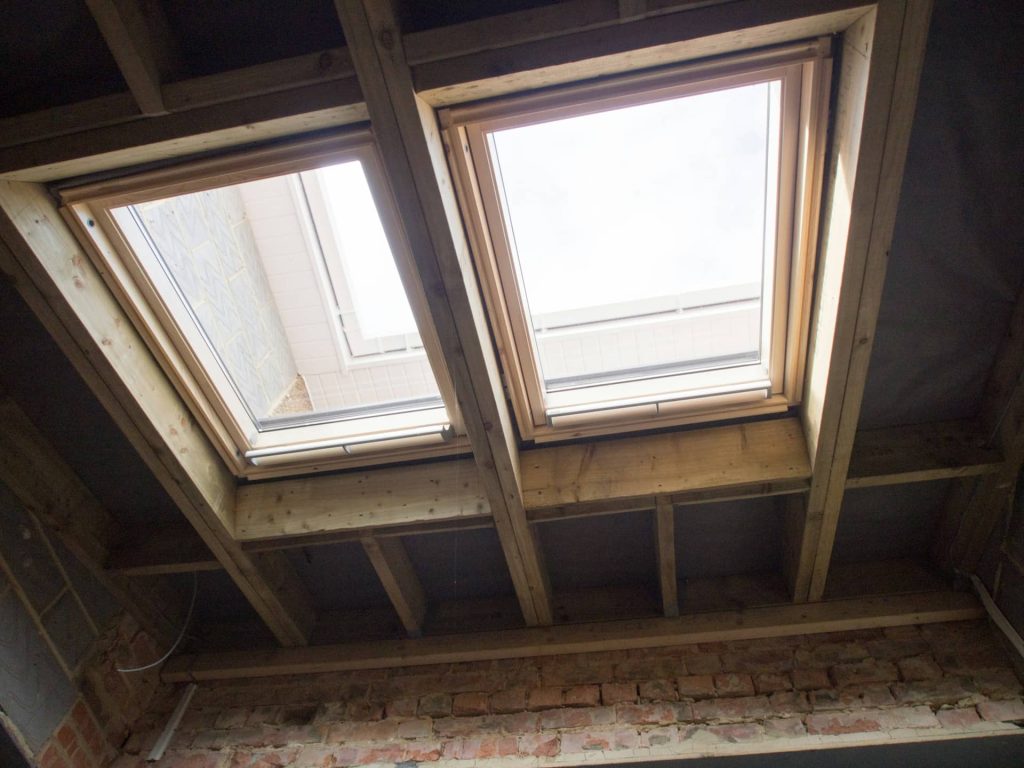
Most Velux or rooflight loft conversions fall comfortably within these rules. Larger dormer loft conversions can also qualify, provided that they remain within volume limits.
If you’re unsure what type of loft conversion suits your property and needs, explore our Conversions page.
You will need planning permission if:
If your home is listed, you will almost certainly need Listed Building Consent from Historic England, even if the changes are internal.
With listed properties, planning authorities carefully assess:
This is where experience matters. Sensitive structural changes, bespoke joinery, and careful compliance are essential. We regularly work on complex and heritage projects across Sheffield and South Yorkshire.
Even if planning permission isn’t required, Building Regulations approval from your local council or a private registered building control approver always is.
Building Regulations ensure:
These are entirely separate from planning permission and cannot be avoided.
Homes in conservation areas can still qualify under permitted development, but restrictions are often tighter. Rear dormers may be limited, and materials must be sympathetic to the environment and original structural design.
Some local authorities remove permitted development rights through Article 4 directions. If this applies, you’ll need full planning permission regardless of size.
If your property is a flat, maisonette, or converted building, permitted development rights do not apply. Planning permission will always be required.
If you’re weighing up different ways to increase your living space, here’s a handy table to give a quick overview of different conversions vs planning permission:
| Project Type | Planning Permission Needed? |
| Loft conversions | Often no (PD applies) |
| Basement conversions | Rarely (unless external changes) |
| Garage conversions | Usually no (internal work) |
| Extensions | Sometimes (depends on size & position) |
Considering alternatives? Explore:
Even if planning permission isn’t required, you may still need to consider:
If planning permission is required, it will typically take 8 weeks to get a decision. Listed Building Consent can often take longer, while complex or conservation cases often take between 8-12 weeks.
Once approved, build time usually takes 6-12 weeks, depending on complexity. For a full breakdown, see our guide on How Long Does a Loft Conversion Take?
If you proceed without the correct permissions when planning permission is required, it can result in:
For higher-value homes and listed properties, especially, professional oversight is essential.
If you need planning permission, there are a number of steps that will need to be completed. This will usually be completed by the architect as part of their normal process:
If you’re researching loft conversions in Sheffield, we can advise you on each step of the process – including recommending experienced architects, planning consultants, and structural engineers that we’ve worked with for years.
At Jenkinson Construction Group, we combine craftsmanship, structural expertise, and clear communication to deliver exceptional loft conversions – from simple rooflight projects to complex listed building transformations.
Whether you already know what you want or you’re still asking “do I need planning permission for my loft conversion?”, we’re here to guide you through every step of the process.
Get in touch with our Sheffield team and get clear, honest advice tailored to your home.


