
Renovations
Refresh and upgrade your home with thoughtful, high-quality renovations that elevate comfort and style.


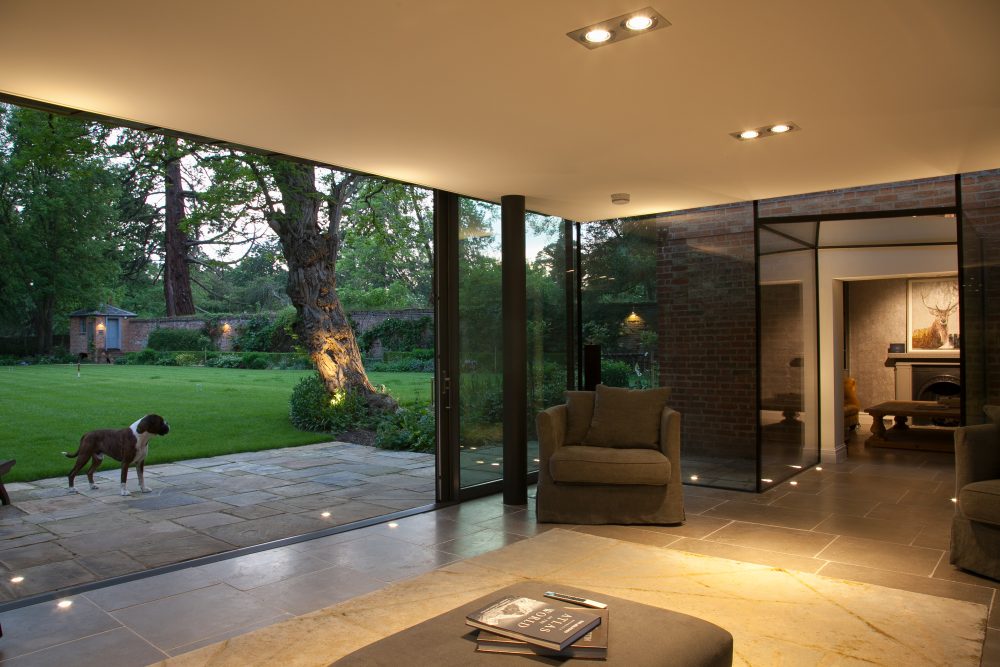
If you’re investing in your home, one of the first and most important questions is: “do I need planning permission for an extension?” The answer depends on the size, location, and whether your property has restrictions such as listed status or conservation designation. So, what’s the answer?
You do not always need planning permission for an extension. Many extensions fall under Permitted Development (PD) rights, provided that they meet strict size, height, boundary, and design limits set out in The Town and Country Planning (General Permitted Development) Order 2015. Listed buildings and flats always require permission.
In this guide, we’ll explain the Permitted Development rules so that you can understand exactly how this will affect your project, whether you’ll need planning permission, and how to get it if it’s required.
Jump to section:
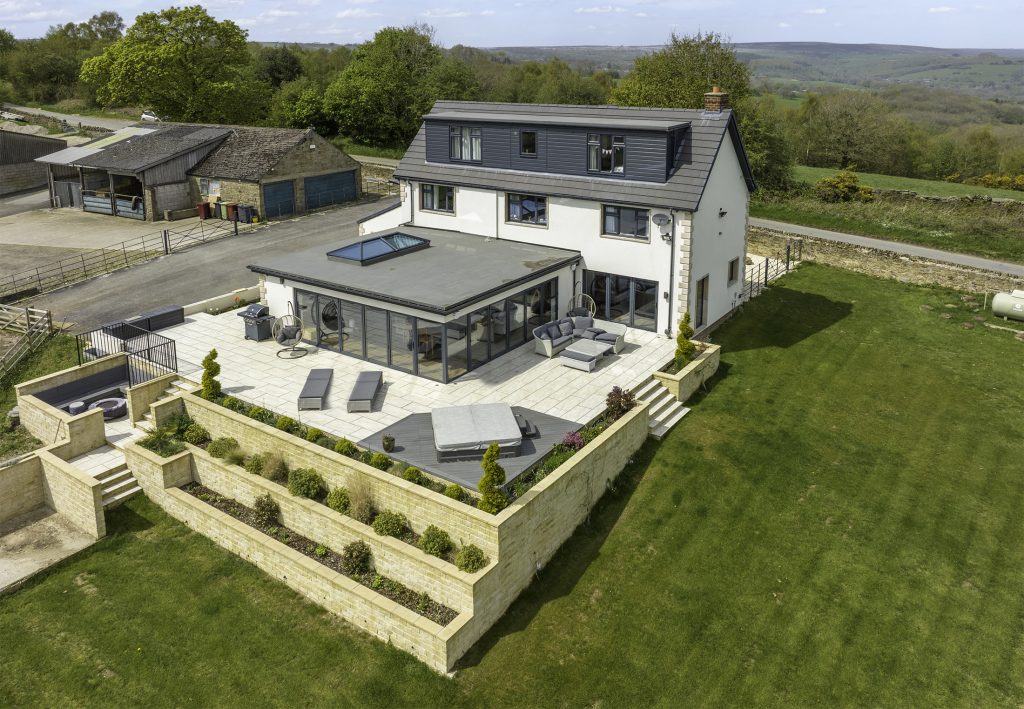
Permitted Development is a legal provision allowing certain home improvements without a planning application – so long as strict conditions are met. These rights are set out in Schedule 2, Part 1 of the Town and Country Planning (General Permitted Development) (England) Order 2015.
PD rights do not remove the need for:
PD rights may also be restricted or removed by local authorities via Article 4 Directions.
One of the most common questions is “what size extension can I build without planning permission?” Here’s how the rules break down under permitted development, with official guidance:
Single-Storey PD rights dictate:
If you want to build larger than these sizes but still under PD rights, you can apply for prior approval, which typically follows:
Under PD rights, a single-storey side extension must:
Two-storey side extensions are not covered by PD and will generally require planning permission.
Some two-storey rear extensions can qualify under PD, as long as:
If any of these conditions are not met, full planning permission will be required.
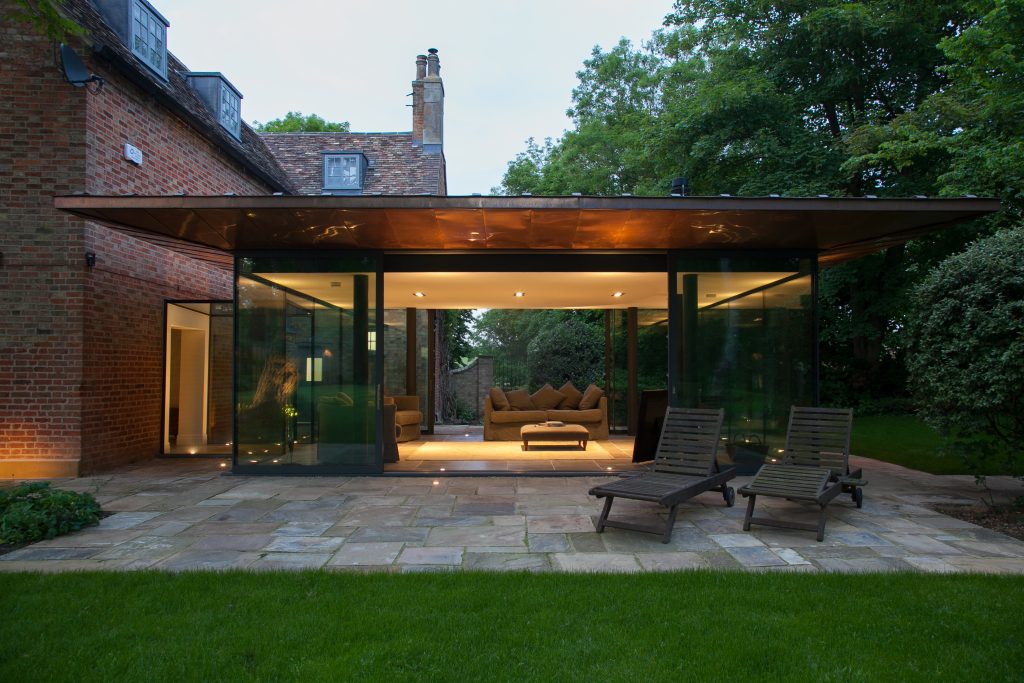
Even if an extension appears to fit within permitted development limits, planning permission could still be required if:
In these cases, a formal planning application must be submitted to your local planning authority.
If your home is a listed building, PD rights generally do not apply. Any exterior alteration or extension affecting the character of the building will require Listed Building Consent under the Planning (Listed Buildings and Conservation Areas) Act 1990, and often full planning permission as well.
In these cases, early planning consultation is essential to avoid enforcement action, so working with an experienced architect or planning consultant is a must.
See our Grade II Listed Building Full Refurbishment & Extension Case Study
Whether or not planning permission is needed, Building Regulations approval is mandatory for any structural extension under The Building Regulations 2010. This ensures:
Planning permission and building control are separate processes.
Building without the correct permissions, even when you think PD applies, can result in:
For example, an unauthorised two-storey extension built without planning permission can lead to enforcement action and costly revisions.
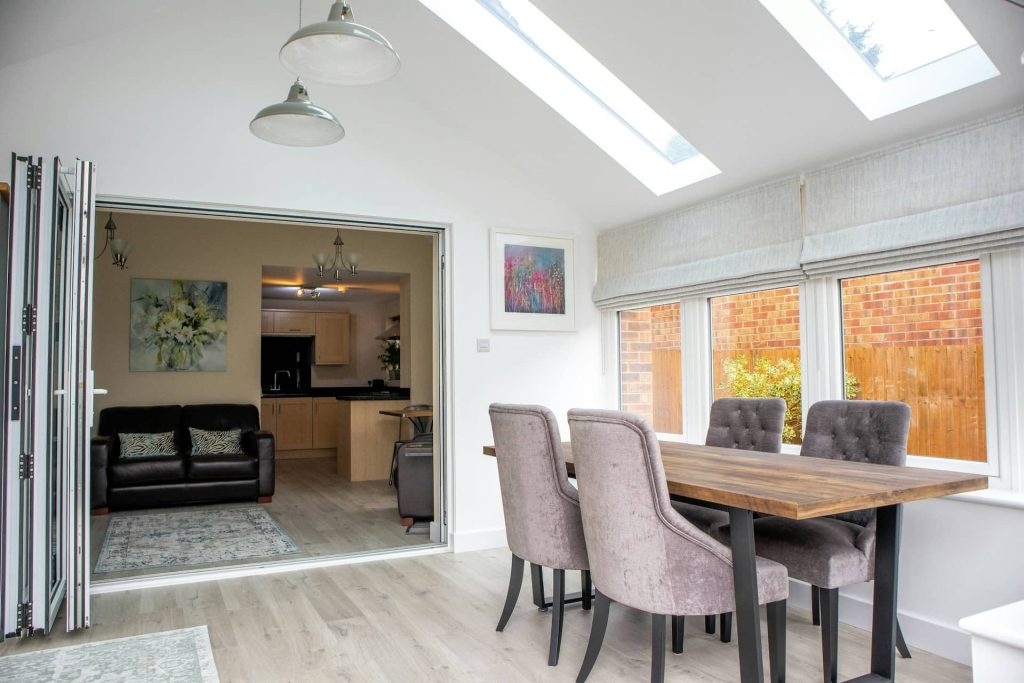
If you’re considering extending your home in Sheffield, understanding planning permission early helps you to avoid delays, maximise space, and safeguard your investment.
Whether you’re planning a modest single-storey kitchen extension or a larger two-storey redesign, our team can help you through the process with expert recommendations.
Get in touch with Jenkinson Construction Group’s experts and get clear advice that is tailored to your property.
For accurate planning rules, you can verify online:
If you’re looking at different options, read our guide on planning permission for loft conversions to see how it matches up.


